Side chapel in the Lateran Basilica (San Giovanni in Laterano), Rome
San Giovanni in Laterano was originally built by Emperor Constantine around the year 324 and has been rebuilt several times, most recently completed in 1735 under Pope Clement XII.
Light, Stillness, and Detail – A Photographic Journey Through Italian Sacred Spaces and Palaces
My first encounter with the churches and palaces of Florence in the early 1980s left a lasting imprint. I was not only overwhelmed by their scale and grandeur, but by something quieter — a presence held in marble, frescoes, shadows, and the pale light moving across stone. I was not simply looking at architecture; I was sensing the weight of time, devotion, and light.
When I later returned to Florence, and eventually to Venice and Rome, I knew I had to bring a camera. Not simply to document what stood before me, but to follow what had first moved me: the way light transforms a place, how it reveals, conceals, softens, and gives memory a visible form.
I wait. I listen. I observe.
And above all, I wait for the light — not the perfect light, but the moment when light allows the place to speak.
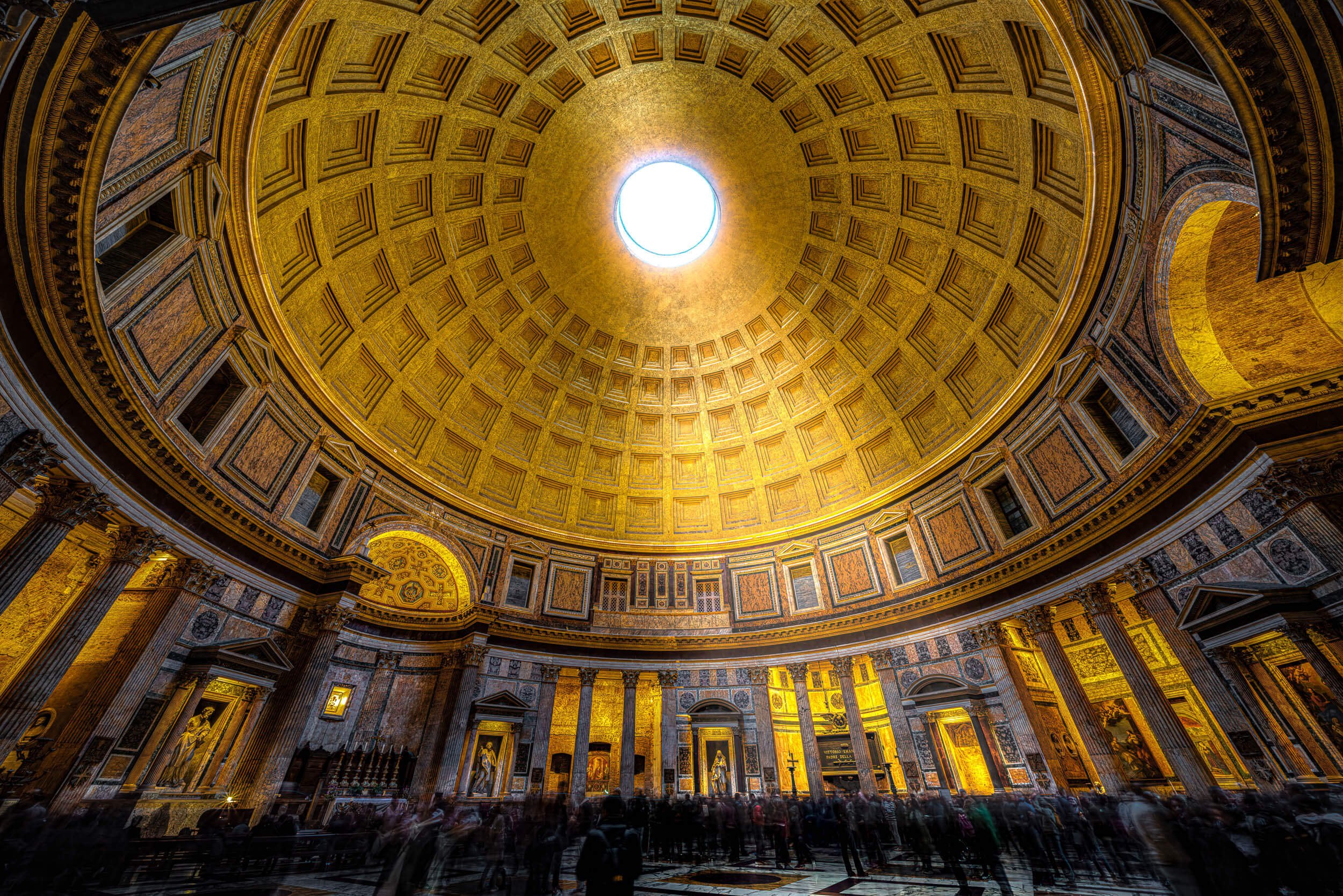
Pantheon, Rome
Nearly 2,000 years old, the Pantheon remains one of the best-preserved monuments of ancient Rome. Its dome and oculus create a powerful play of light, time, and space.
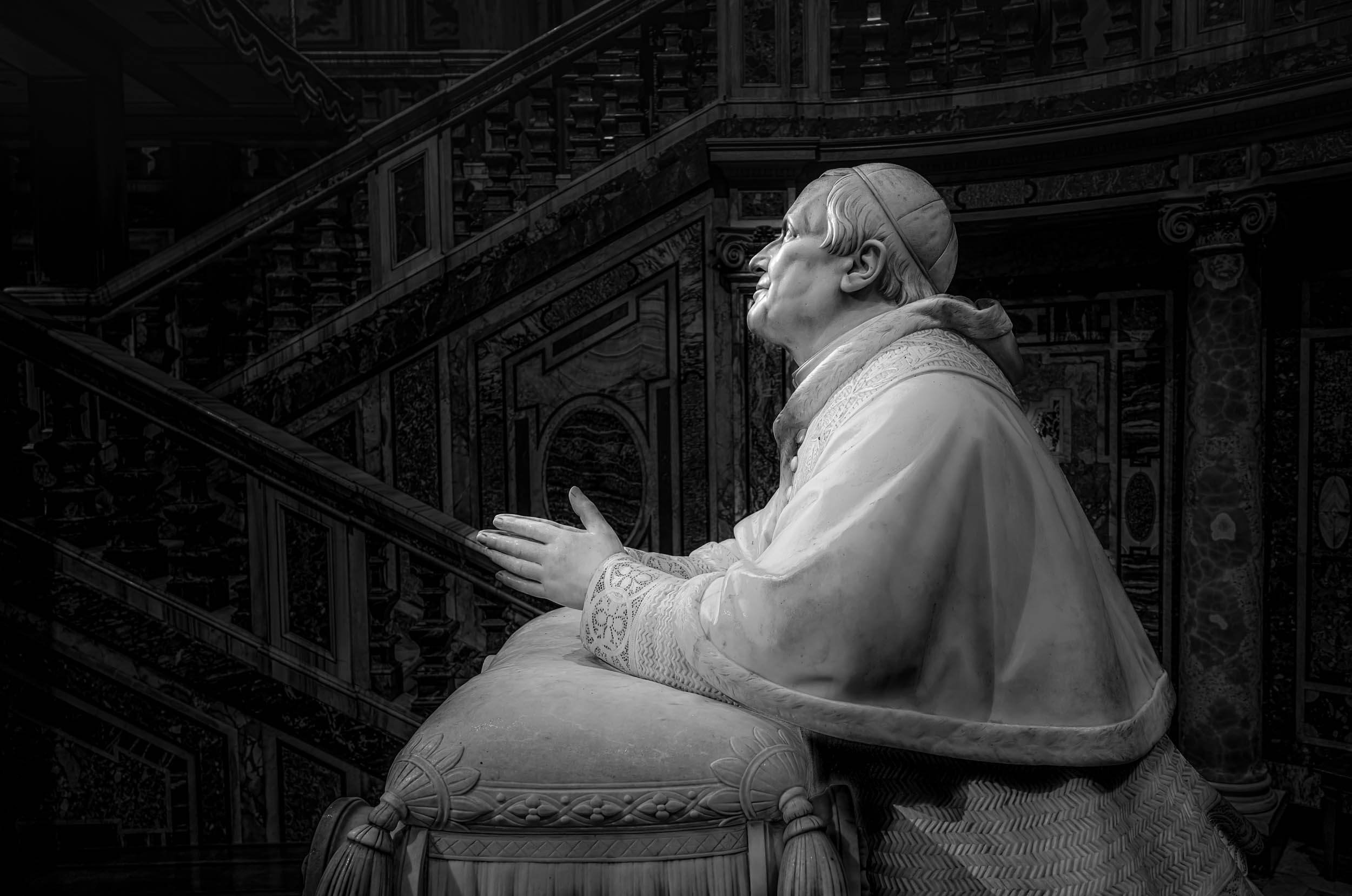
Basilica of Saint Mary, Rome
Pope Pius IX in prayer. The statue was sculpted by Ignazio Jacometti and placed in the crypt by Pope Leo XIII.
Basilica di Santa Maria Maggiore, Rome
The ceiling of the Basilica of Santa Maria Maggiore is a magnificent work of art and one of the oldest preserved ceilings in a Christian church.
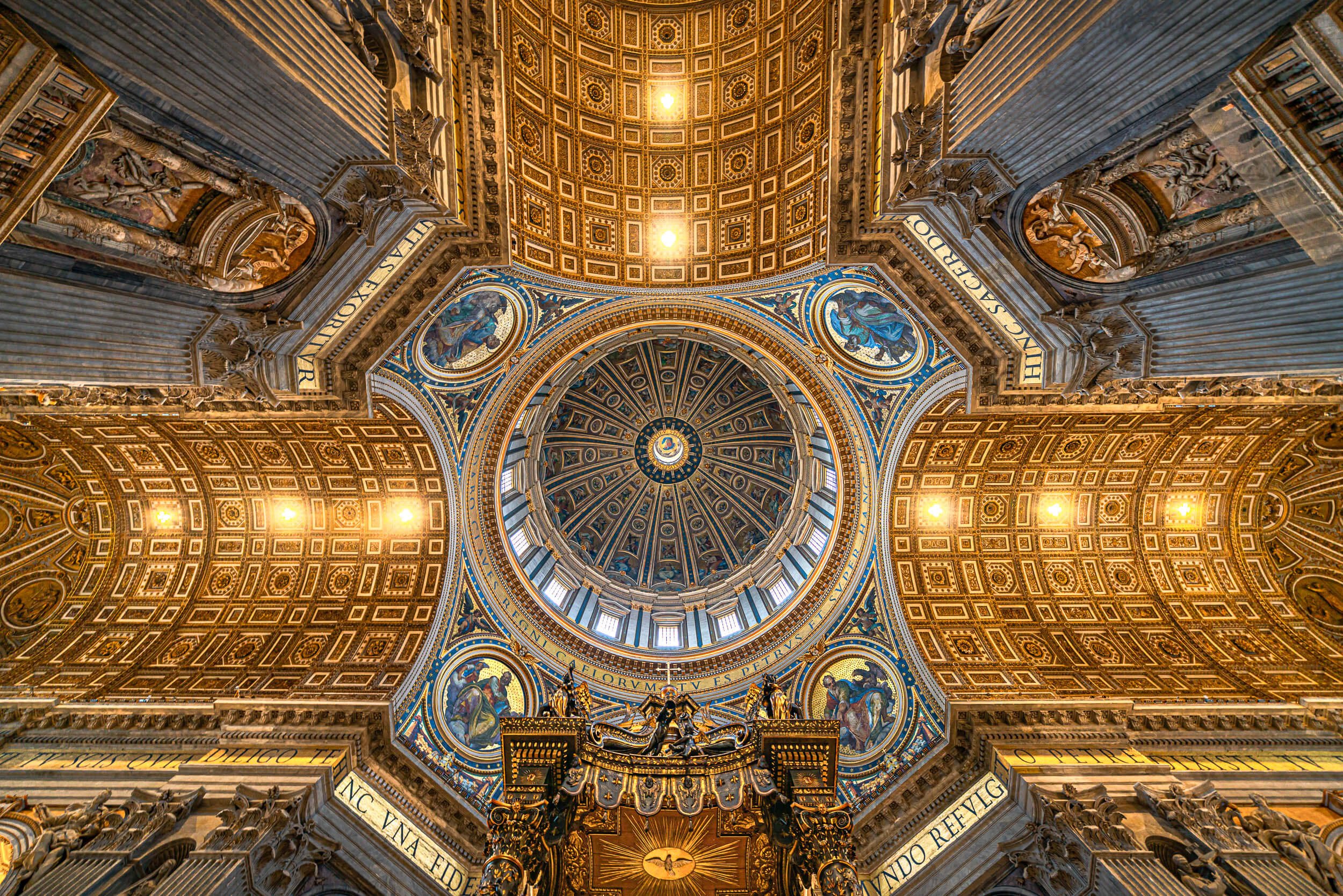
Basilica di San Pietro, Rome
St. Peter’s Basilica in Vatican City is one of the world’s most iconic Renaissance and Baroque buildings. The basilica is enormous. From the floor to the top of the dome, measured internally, it reaches 117.6 metres. The dome has an internal diameter of 41.5 metres.
Santa Maria del Fiore, Florence
Santa Maria del Fiore is the cathedral of Florence and one of the great masterpieces of Italian Gothic and Renaissance architecture. Its monumental dome, designed by Filippo Brunelleschi, became a symbol of the city and remains one of the most remarkable achievements in architectural history.
Piazza San Marco, Venice
Piazza San Marco has for centuries been the ceremonial and spiritual heart of Venice — a place where faith, power, architecture, and public life have met. At its centre stands the Campanile di San Marco, originally built in the 12th century and reconstructed after its collapse in 1902.
Palazzo Medici Riccardi
This is one of the most significant buildings in Florence and a key work of early Renaissance architecture. Construction began 1444. Architect is Michelozzo di Bartolomeo, a pupil of Filippo Brunelleschi
Cappella dei Pazzi, Basilica di Santa Croce, Florence
Designed by Filippo Brunelleschi and begun around 1443, the Cappella dei Pazzi is one of the most refined spaces of the early Renaissance. Built for the Pazzi family in the cloister of Santa Croce, it is a room of proportion, silence and light, where pale walls, grey pietra serena and circular forms create a calm architectural order. Here, light does not simply illuminate the space — it reveals its balance, its history and its quiet spiritual presence.
Fontana di Trevi
The fountain was completed in 1762, after 30 years of work, and was designed by the architect Nicola Salvi. It stands on the site where an ancient aqueduct, the Aqua Virgo, once brought water to the city, and the name “Trevi” likely comes from the Italian word for “three roads” (tre vie), as three streets converge here.
The fountain is an impressive Baroque masterpiece, with the sea god Neptune at its center, flanked by two tritons and surrounded by dramatic stonework and flowing water. The entire composition symbolizes the power of the sea and humanity’s ability to tame it.